Digital Futures in Arabic Supplementary Schools
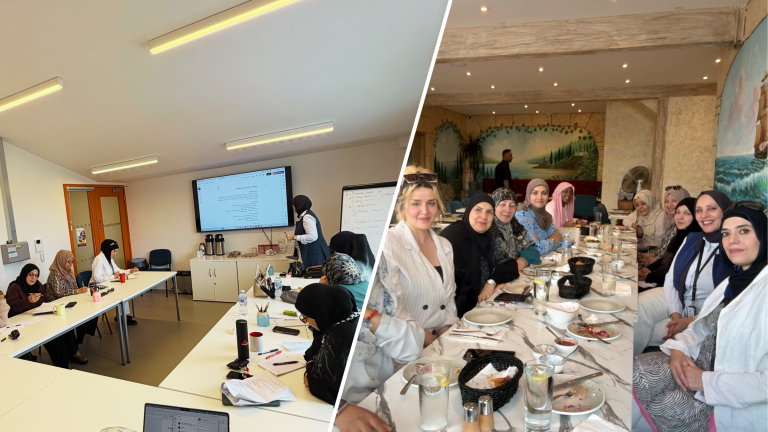
In an increasingly digital world, the way educators teach and students learn is rapidly evolving. Recognising this, Educators’ Hub21 launched the Digital Futures Initiative — a program designed to help Arabic supplementary schools embrace technology-enhanced learning while maintaining their strong cultural and linguistic foundations.
This initiative aims to bridge the digital divide by equipping educators with practical tools and confidence to integrate technology effectively into teaching and school management. From AI-powered learning platforms to virtual classrooms, the program focuses on accessible, ethical, and culturally relevant innovation for community-based schools.
Building Digital Competence
The Digital Futures workshops provide teachers with hands-on experience using digital tools for lesson design, student assessment, and collaboration. Participants learn to use educational software to support language learning, develop multimedia resources, and create engaging hybrid lessons that combine online and face-to-face instruction.
Educators also explore digital citizenship and safety, ensuring that technology use supports students’ wellbeing and aligns with the community’s values. By mastering these skills, teachers become not only more effective but also more resilient in adapting to the changing educational landscape.
AI in the Arabic Classroom
A unique aspect of the initiative is the focus on Artificial Intelligence (AI) in language education. Through expert-led sessions, participants examine how AI can assist in areas such as personalised learning, translation accuracy, and student feedback — while also discussing ethical implications, data protection, and teacher agency.
By blending innovation with reflection, Educators’ Hub21 ensures that digital transformation enhances — rather than replaces — the personal connection central to Arabic education.
Empowering the Next Generation
Ultimately, Digital Futures is about preparing students to thrive in a bilingual, multicultural, and tech-driven society. By embedding technology into Arabic supplementary education, the initiative helps schools combine tradition with modernity, ensuring that young learners gain both cultural grounding and 21st-century skills.
Educators’ Hub21 continues to expand this program across the UK, supporting schools to innovate confidently and inclusively — one classroom at a time.
Building Educator Wellbeing Networks Across the UK
Supporting the Heart of Community Education
Teaching, while rewarding, can often be emotionally demanding — particularly within community-led supplementary schools that operate with limited resources. Recognising this, Educators’ Hub21 launched the Educator Wellbeing Network, a nationwide initiative designed to support the mental health, resilience, and professional growth of Arab educators and school leaders.
Why Wellbeing Matters
For many supplementary school teachers, their work extends beyond the classroom — involving community engagement, curriculum adaptation, and mentoring. These responsibilities, while vital, can lead to burnout if not balanced with wellbeing support.
Through the Wellbeing Network, Educators’ Hub21 provides a structured space for educators to connect, reflect, and recharge, helping them sustain their passion for teaching while maintaining a healthy work-life balance.
What the Network Offers
The program includes:
- Monthly peer-support circles, where educators share experiences and strategies.
- Wellbeing workshops focusing on stress management, mindfulness, and emotional regulation.
- Professional counselling referrals and access to expert-led sessions on resilience and positive psychology.
- Leadership mentoring that integrates wellbeing with strategic decision-making.
Each session is designed to build community solidarity, recognising that educator wellbeing directly impacts student success and school culture.
Creating a Culture of Care
One of the network’s strongest outcomes has been the emergence of a wellbeing-first mindset among participating schools. Leaders are now incorporating wellbeing checkpoints into staff meetings, recognising achievements, and developing sustainable workloads.
By embedding wellbeing into leadership practice, the initiative moves beyond short-term relief to long-term cultural change — making care, empathy, and reflection integral to professional excellence.
A Growing Movement
What began as a pilot project in London is now expanding across the UK. Educators’ Hub21 is collaborating with regional partners to create a national wellbeing framework for supplementary schools, ensuring that every educator feels valued, supported, and equipped to thrive.
Through this initiative, Educators’ Hub21 reinforces its core belief: that the well-being of teachers is the foundation for the well-being of communities.